


Requesting the Initial Estimate
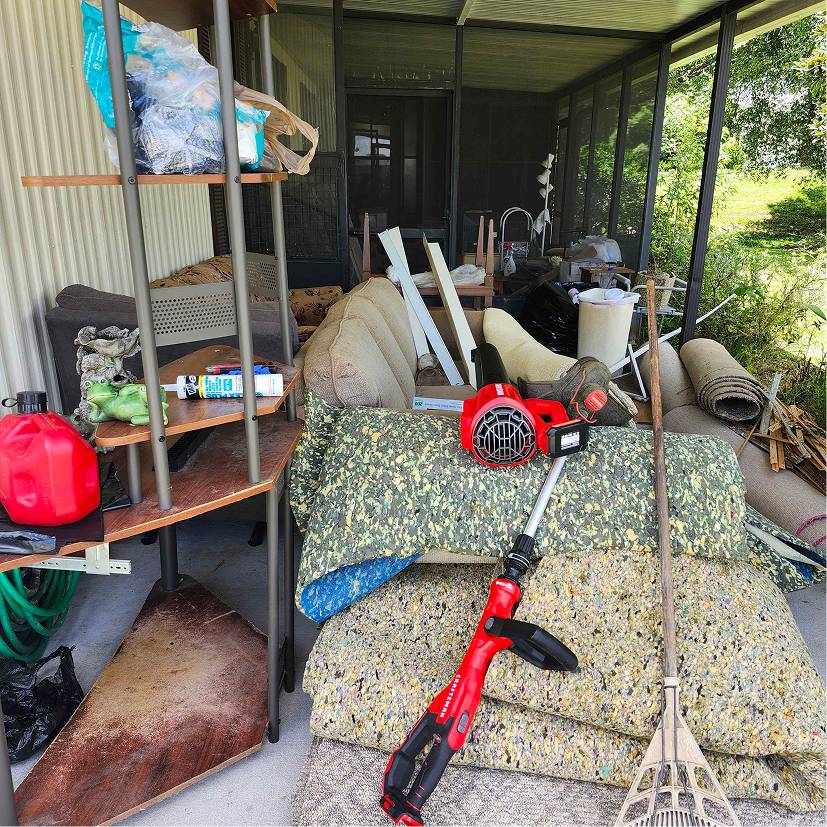
The process usually begins with a phone call, online form, or photo estimate. Customers should describe the property, item types, approximate volume, access conditions, and preferred date. Wide photos are more useful than close images that hide the full size of the project.
The company may provide a range before arrival rather than a guaranteed total. That range should include the assumptions used, such as truck space, standard labor, and ordinary disposal. Heavy or unusual items should be identified separately. This detail should be confirmed during the estimate because site conditions can change the amount of labor and planning required.
Preparing the Property for Service
Junk Removal Houston also matters in this part of the project. Before the appointment, customers should decide exactly what will leave and what must remain. Personal documents, valuables, medications, keys, and sensitive records should be removed from the work area. Approved items can be grouped when it is safe to do so.
Clear walking paths, unlock gates, reserve elevators, and identify legal parking. Pets and children should remain away from the loading route. These steps protect the property and reduce delays once the crew arrives. Written expectations also make it easier for the customer to compare providers and understand which responsibilities remain outside the quoted scope.
Confirming the Final Price
A professional crew reviews the complete load before lifting begins. The final price should reflect the actual volume, weight, labor, access, and special handling. Customers should receive an explanation whenever the in-person estimate differs from the earlier range.
No additional material should be loaded without approval when it changes the price. Clear confirmation protects the customer from surprises and gives the crew a defined scope. Written or digital estimates are useful for larger projects. Early preparation reduces avoidable delays and gives the service team better information before equipment, materials, or workers are scheduled.
Protecting Access and Work Areas
Crews plan a route from the items to the truck and may use dollies, straps, floor protection, or other equipment when appropriate. Narrow doors, stairs, elevators, and long carrying distances require additional care and may affect the appointment time.
Customers can help by removing small obstacles and communicating building rules. Heavy lifting should remain with trained workers. Good access planning reduces damage risk and keeps other occupants away from active loading areas. A careful review at this stage can prevent small misunderstandings from becoming expensive changes after the project has already started.
Loading and Sorting the Materials
Junk Removal Houston also matters in this part of the project. Items are carried, disassembled when included, and loaded to use vehicle space efficiently. Reusable goods, recyclable materials, and ordinary disposal items may be separated during the process. Dense debris must be distributed safely to respect weight limits.
The crew may leave restricted materials behind if they were not disclosed or cannot be accepted legally. Customers should ask questions before loading questionable items. Transparency keeps the job compliant and protects disposal workers. Customers should keep photos, estimates, and important instructions together so decisions can be checked quickly throughout the appointment.
Transporting the Load Safely
After loading, the crew secures the material for transportation. The truck may visit more than one destination when donations, recycling, and disposal are handled separately. Travel distance and facility requirements are part of the operational cost.
Customers should receive a clear explanation of what happens after the truck leaves. Responsible providers follow local rules rather than using unauthorized dumping sites. Proper transport protects the community and the customer. The best plan balances safety, efficiency, property protection, and total cost instead of focusing on only one convenient number.

Donation and Recycling Decisions
Usable furniture, household goods, and building materials may be considered for donation when a receiving organization accepts them. Recycling can also reduce the amount sent to a landfill. Acceptance depends on condition, demand, and facility rules.
Donation is not guaranteed simply because an item is usable. Customers should ask how the company evaluates eligible goods and whether receipts are available. Honest expectations prevent confusion at the end of the appointment. Local rules and facility requirements may also affect the recommended approach, especially when special materials or restricted access are involved.
Completing the Final Cleanup
Once loading is finished, the crew reviews the work area and performs the level of cleanup included in the service. Basic sweeping may be provided, while deep cleaning, demolition, or stain removal usually requires a separate agreement.
The customer should inspect the area before the crew leaves and confirm that only approved items were removed. Final payment and documentation can then be completed. A brief review closes the project cleanly and reduces later disputes. Clear communication allows the provider to explain alternatives when the original plan does not match the conditions found on-site.
Conclusion
A well-planned cleanup depends on accurate volume, weight, access, item, and scheduling information. Customers should identify restricted materials, ask when pricing becomes final, and confirm what labor, transportation, disposal, donation, recycling, and basic cleanup are included. Clear expectations make it easier to compare providers and avoid preventable charges.
For professional Junk Removal Houston service in Houston, contact Texas Trash Titans at 832-981-7161. Share photos, a complete item list, access details, and the preferred appointment date before requesting an estimate. Honest information helps the team prepare the correct workers and equipment, explain possible fees, and route materials responsibly. That preparation protects the property, keeps the appointment moving, and makes the final invoice easier to understand. It also creates a cleaner handoff from planning to completion.

